 pwall.net
Aotearoa / New Zealand
The islands that comprise Aotearoa / New Zealand have been isolated from any other landmass by thousands of
kilometres of ocean for tens – possibly hundreds – of millions of years.
This has resulted in the islands having a unique fauna; until the arrival of humans about seven hundred years ago
there were no mammals at all, other than aquatic mammals (seals etc.) and a couple of species of bat.
The absence of mammals has had two main effects: Many of the ecological niches that in other places are occupied
by mammals are taken up by insects (e.g.the wētā) and birds;
and those animals that evolved in this isolated environment had no defences against predation and competition from
the mammals introduced by humans, or from the humans themselves.
This has led to the extinction of a great many species, while other species are limited to small populations on
smaller islands free of predators.
Wildlife Sanctuary
In 1994 the city of Wellington authorised the creation of the Zealandia Te Māra a Tāne wildlife sanctuary (commonly known as Zealandia) in the Karori valley, just a few kilometres from the centre of the city.
The most important feature of the sanctuary is a highly-engineered 8.6 kilometre boundary fence, which excludes
the small mammals which have caused so much damage to the unique species endemic to Aotearoa / New Zealand.
Once the boundary fence was complete, the entire area was cleared of introduced animals, and then several species
of endangered birds, reptiles and insects were re-introduced.
Species
When I visited in July 2026, there were several species of birds free flying, or in the case of the flightless
takahē, just wandering around unconcerned by the visitors.
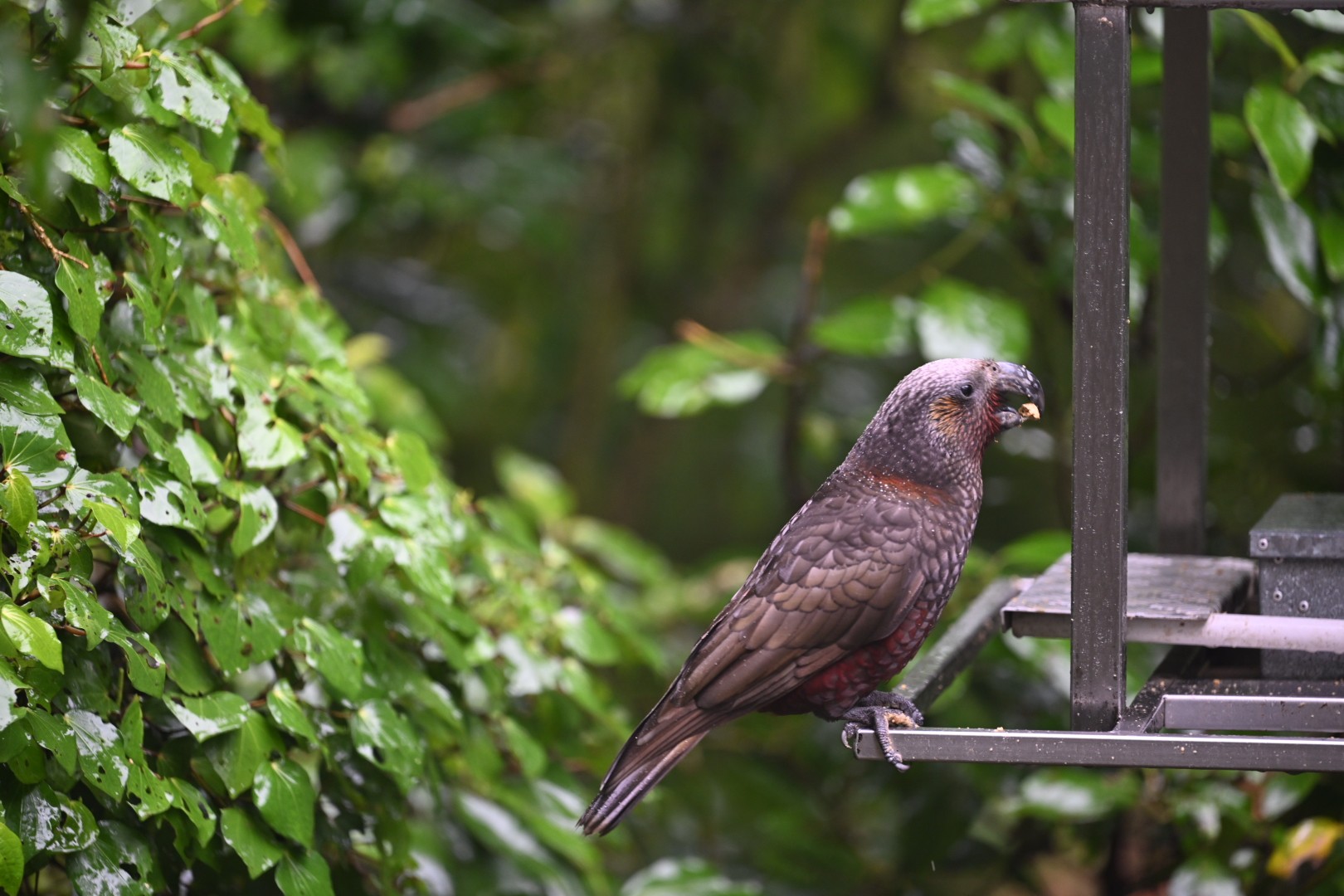
The kākā.
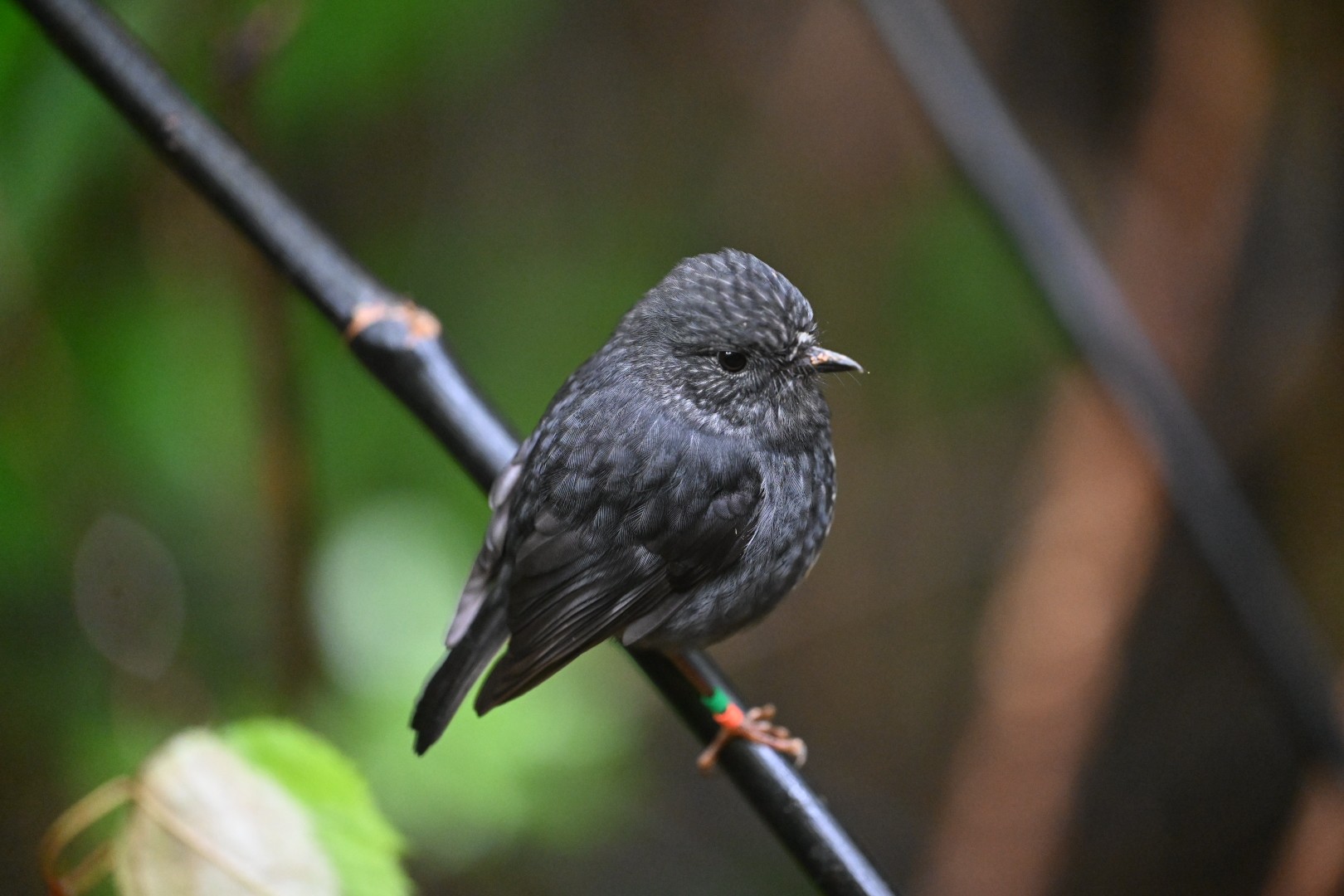
The toutouwai (North Island Robin).
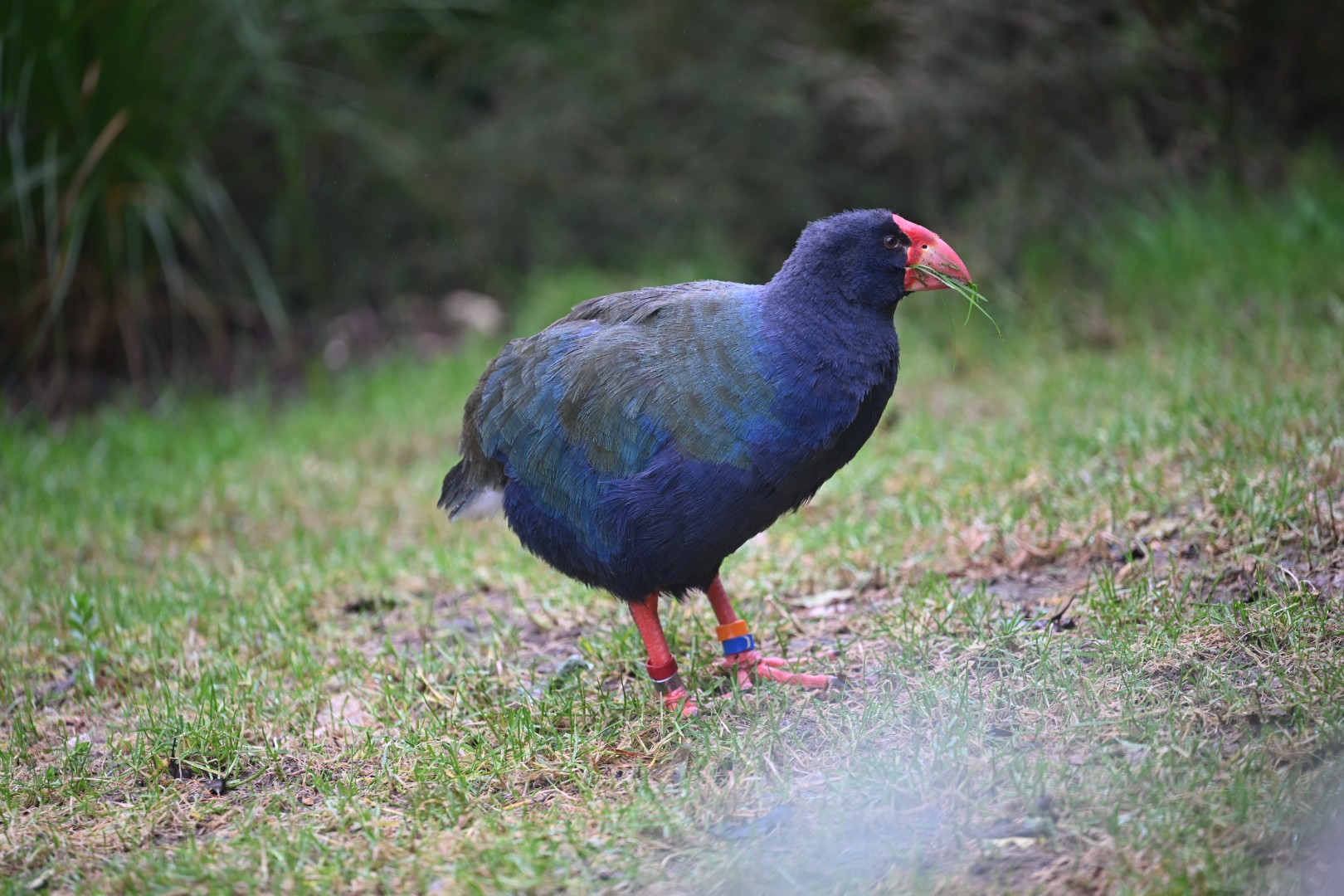
The takahē.
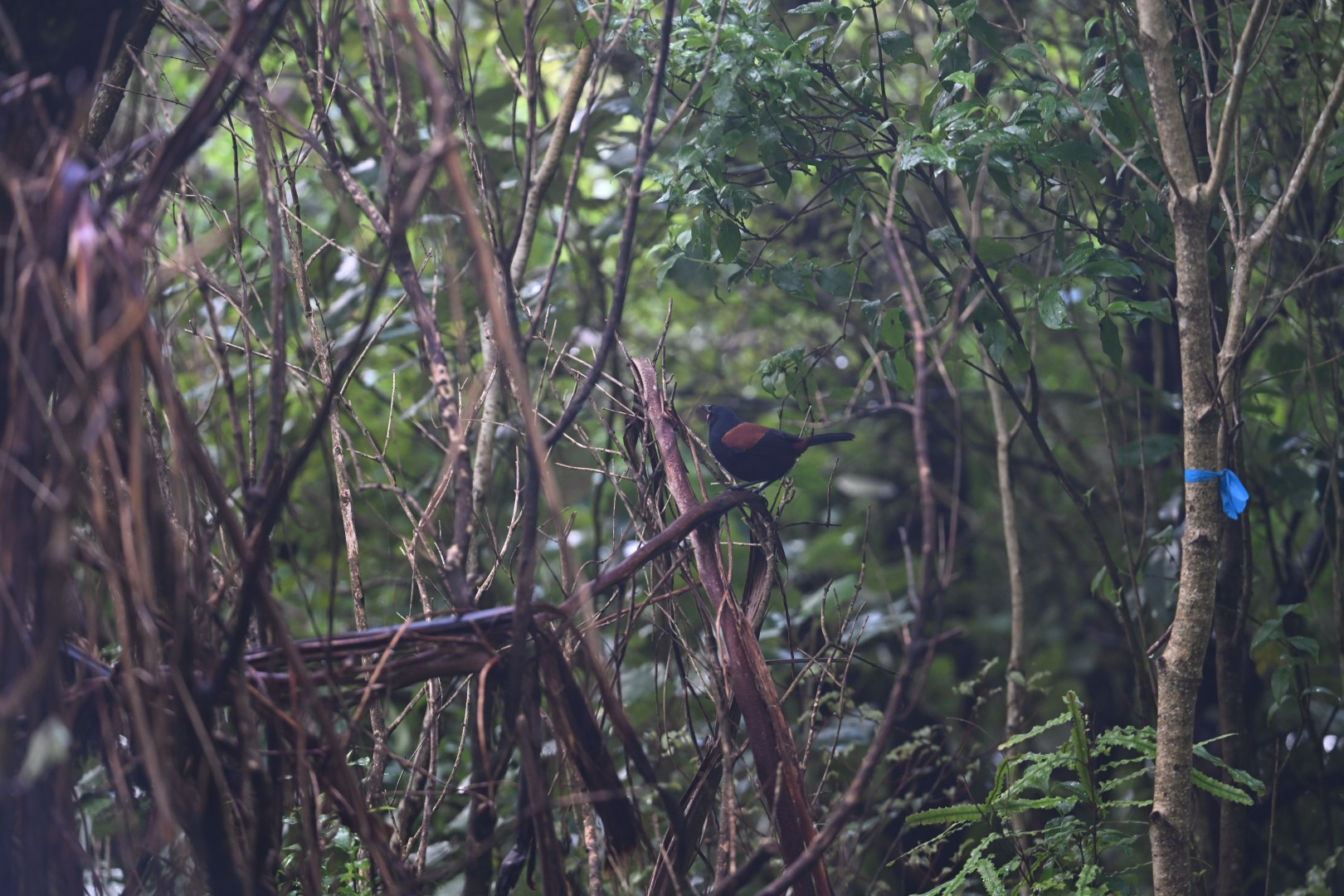
The tīeke (saddleback).
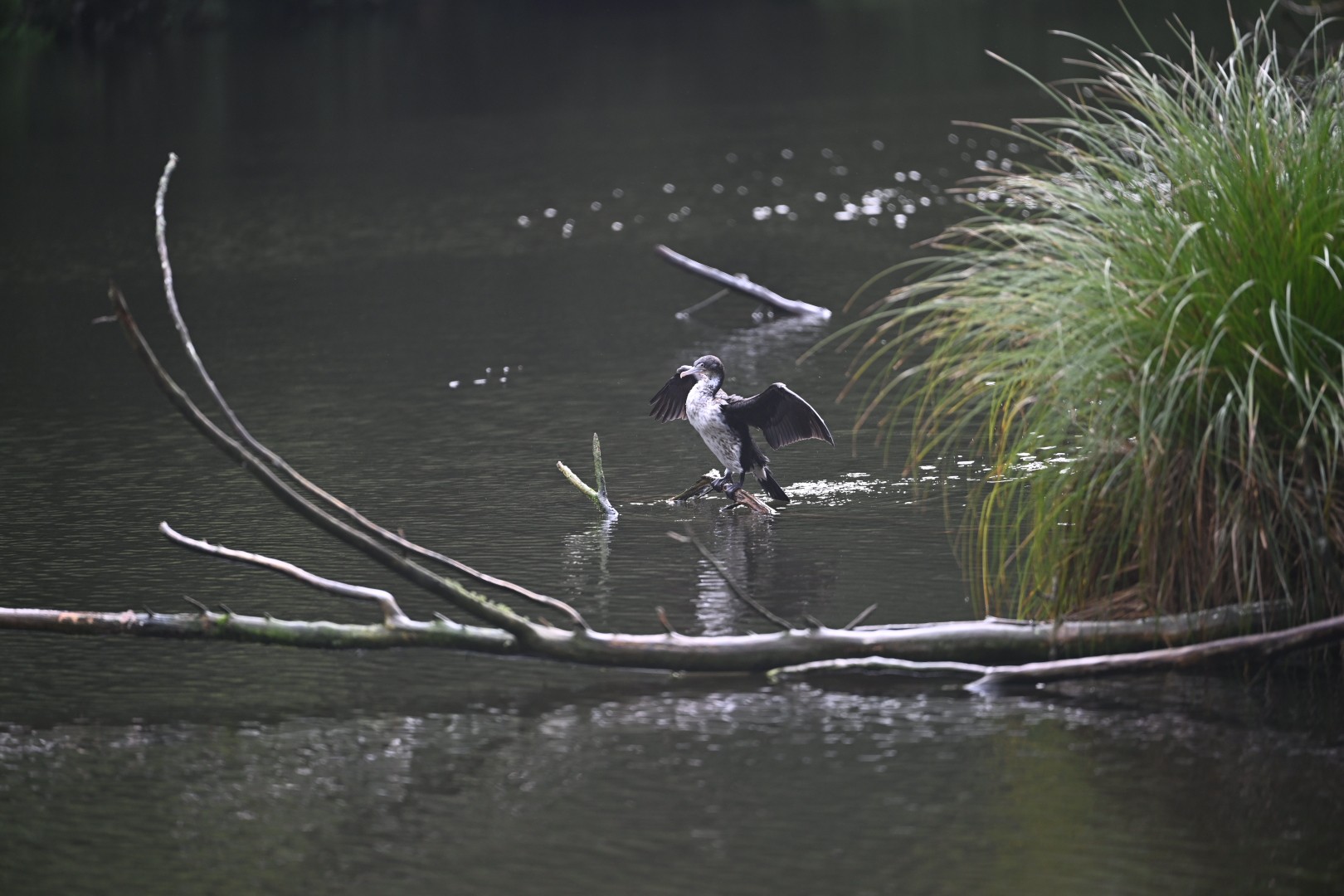
The pārekareka (spotted shag).
There were also boxes containing wētā, but none of the photos of the insects came out well.
And the sanctuary is also home to a population of tuatara, but on this cold July day none of them were venturing
out of their burrows.
Recommended
I very much enjoyed my visit to Zealandia, and I strongly recommend it to anyone visiting Wellington.
If the opportunity arises I will happily go back for another visit – preferably on a warm day when the
tuatara are active.